

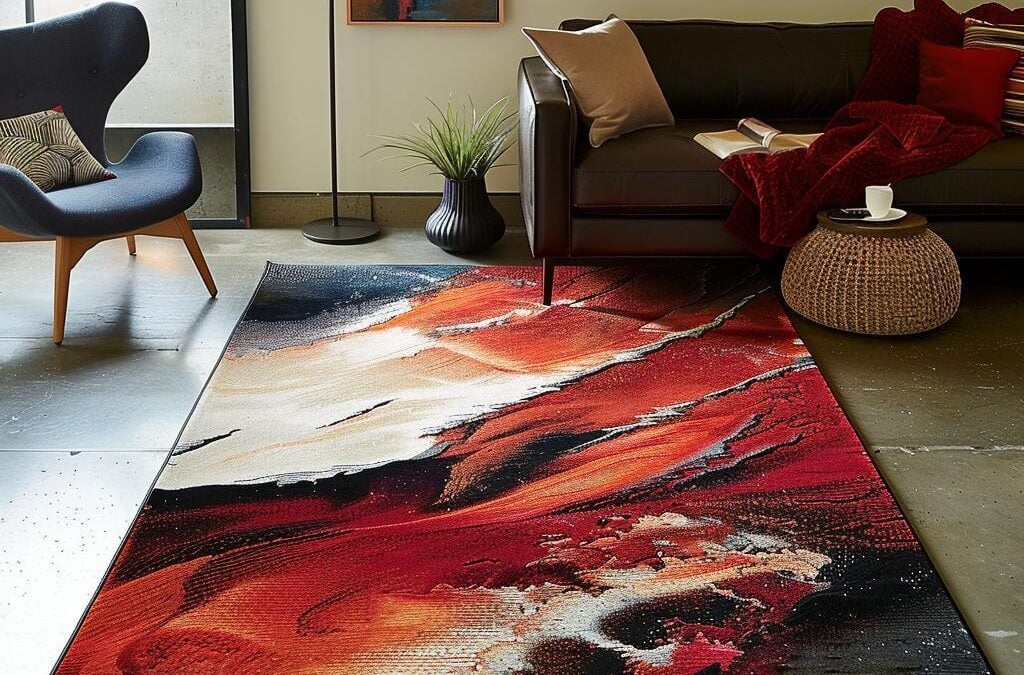
Area rugs do more than add color and comfort to a room. They collect the dirt, dust, pet hair, food particles, and moisture that enter a home every day. Over time, that buildup can make a rug look dull, develop odors, and contribute to premature wear.
Cleaning an area rug, however, is not always as simple as treating wall-to-wall carpet. Different rugs can have very different fibers, dyes, backings, and construction methods. A cleaning method that works well for a synthetic rug may be inappropriate for a hand-knotted wool or silk rug.
That is why choosing an area rug cleaning expert matters when a rug needs more than routine vacuuming.
For homeowners in Littleton, CO, professional rug cleaning can provide a more controlled approach to removing embedded soil while protecting the appearance and construction of the rug.
Why Area Rugs Need Specialized Cleaning
Regular vacuuming is one of the most important things you can do to maintain an area rug, but it cannot remove everything.
Fine particles can work their way below the visible surface of the pile. Food spills can leave residues behind, while pet accidents may penetrate deeper into the rug. High-traffic areas can also become noticeably darker or flattened as soil accumulates.
The challenge is that an area rug is not simply a smaller carpet.
A rug may contain:
- Wool, cotton, silk, rayon, or synthetic fibers
- Natural or synthetic dyes
- A woven or knotted foundation
- Latex, adhesive, or other backing materials
- Decorative fringe
- Multiple layers or delicate construction
These materials respond differently to moisture, agitation, heat, and cleaning products.
An experienced rug cleaner should therefore begin by determining what the rug is made of and how it was constructed before deciding how to clean it.
What Does an Area Rug Cleaning Expert Actually Do?
An area rug cleaning expert does more than apply a cleaning solution and extract it.
The first step should be inspection.
1. Inspect the Rug
Before cleaning begins, the technician should examine the rug for fiber type, construction, existing stains, discoloration, wear, and potential dye instability.
The underside can also provide important information. A rug may look similar to another rug on the surface while requiring a completely different cleaning approach because of its backing or construction.
Inspection is particularly important for older, handmade, antique, or specialty rugs.
2. Identify Potential Dye Problems
One of the concerns with cleaning certain rugs is color bleeding.
Color bleeding occurs when a dye becomes unstable and migrates into surrounding fibers. Excessive moisture, unsuitable chemicals, heat, or agitation can increase the risk with some rugs.
A professional should test questionable colors before proceeding with a more extensive cleaning process.
This does not mean that every rug is likely to bleed. It means the cleaner should identify the risk before exposing the rug to a cleaning method.
3. Remove Loose Soil
Some rugs benefit from thorough dry soil removal before wet cleaning.
Removing loose particulate soil first can reduce the amount of dirt that becomes suspended during the cleaning process. The appropriate equipment and technique depend on the rug’s construction.
This step is especially useful for rugs that have accumulated significant dry soil over time.
4. Treat Specific Stains
Stain treatment should be based on the type of stain and the material being cleaned.
Coffee, wine, grease, food, pet accidents, and other spills do not necessarily respond to the same treatment.
For example, a technician may need to consider whether a stain contains oils, proteins, tannins, or dyes before selecting a treatment.
The goal is not simply to use the strongest product available. The goal is to use an appropriate treatment that addresses the stain while minimizing unnecessary stress on the fibers and dyes.
5. Select the Cleaning Method
Not every area rug should be cleaned the same way.
Depending on its construction and condition, a rug may be suitable for controlled low-moisture cleaning, specialized washing, or another professional process.
Some rugs can tolerate more moisture than others. Certain delicate materials may require additional precautions.
A knowledgeable cleaner should be able to explain why a particular method is appropriate for your rug rather than applying the same process to every rug.
Why Littleton Homes Can Benefit From Regular Rug Care
Littleton’s location along the Front Range means homeowners experience seasonal changes that can affect indoor surfaces.
Dry conditions can contribute to tracked-in dust and fine soil. During wetter periods, moisture can enter homes through shoes and pets. Winter conditions can introduce additional material from roads and walkways.
These particles do not stay at the front door.
They can eventually make their way onto carpets and area rugs throughout the home.
Homes with pets and children may also see rugs accumulate additional hair, dander, food particles, and everyday spills.
Regular maintenance helps reduce this buildup before it becomes more difficult to remove.
For homeowners in Littleton, professional cleaning can be particularly useful for rugs located in:
- Entryways
- Living rooms
- Dining rooms
- Hallways
- Bedrooms
- Pet areas
- High-traffic spaces
How Often Should an Area Rug Be Professionally Cleaned?
There is no single schedule that is right for every rug.
Cleaning frequency depends on factors such as:
- Household traffic
- Pets
- Children
- Rug location
- Fiber type
- Color and pattern
- Exposure to outdoor soil
- Spills and accidents
- Manufacturer recommendations
A lightly used bedroom rug may need professional cleaning less often than an entryway rug used every day.
Instead of relying only on a calendar, pay attention to the condition of the rug.
Signs that it may need professional cleaning include:
- A noticeably dull or dirty appearance
- Persistent odors
- Heavy soil around high-traffic areas
- Staining that does not respond to appropriate spot cleaning
- Pet accidents
- Matted or flattened areas
- Visible dust or debris
- A rug that has not been professionally cleaned for an extended period
Routine vacuuming remains important between professional cleanings.
What About Wool and Other Natural-Fiber Rugs?
Natural-fiber rugs deserve additional care because their properties differ from those of many synthetic materials.
Wool Rugs
Wool is durable, but that does not mean every wool rug can be cleaned using the same process.
Wool can react differently to moisture, heat, agitation, and cleaning chemistry. Excessive moisture can also create drying challenges.
A cleaner experienced with wool should understand these considerations before beginning the cleaning process.
Silk Rugs
Silk is considerably more delicate than many common rug fibers.
Silk rugs may require specialized handling, and aggressive agitation or inappropriate chemicals can cause permanent damage.
If a rug contains silk or appears particularly delicate, homeowners should ask the cleaner whether they have experience handling that type of material.
Synthetic Rugs
Many synthetic rugs are designed to be relatively durable, but they still require an appropriate cleaning method.
The fact that a rug is synthetic does not automatically mean that any cleaning chemical, temperature, or equipment is appropriate.
Should You Clean an Area Rug Yourself?
For small, durable rugs with straightforward construction, homeowners may be able to handle routine maintenance themselves.
However, professional cleaning becomes a better option when the rug is:
- Expensive
- Antique or vintage
- Handmade
- Made from delicate fibers
- Heavily stained
- Affected by pet urine
- Experiencing dye instability
- Showing signs of structural damage
One common mistake is assuming that more water or stronger chemicals will produce a better result.
That approach can create additional problems, including prolonged drying, discoloration, fiber damage, or damage to the rug’s backing.
When you’re unsure about a rug’s material or construction, professional evaluation is usually safer than experimenting with an unfamiliar cleaning method.
How Professional Area Rug Cleaning Can Address Pet Odors
Pet accidents can be particularly challenging because the visible stain may not represent the full extent of the contamination.
Urine can move beyond the surface and reach deeper portions of the rug. As it dries, residues can remain behind even after the visible spot becomes less noticeable.
Professional cleaners can assess the affected area and determine whether specialized treatment is appropriate.
However, homeowners should be cautious about promises that every odor can be completely removed. The outcome depends on factors such as how much contamination occurred, how deeply it penetrated, the rug’s construction, and whether previous cleaning attempts affected the fibers.
An experienced cleaner should explain what can realistically be achieved before treatment begins.
What Happens After a Rug Is Cleaned?
Drying is an important part of professional rug care.
A rug should be dried appropriately for its construction rather than simply left wet until it eventually dries.
Excess moisture can create problems if a rug remains damp for too long. Drying time can vary considerably depending on:
- Fiber type
- Rug thickness
- Construction
- Amount of moisture used
- Extraction method
- Air circulation
- Temperature and humidity
For that reason, a professional should be able to explain the expected drying requirements for the specific rug rather than promising one universal drying time.
How to Choose an Area Rug Cleaning Expert in Littleton
Before hiring a rug cleaner, ask a few practical questions.
1. Will you inspect the rug before cleaning it?
A proper inspection helps identify fiber, construction, dye, and condition concerns.
2. Do you clean this type of rug regularly?
Experience with wall-to-wall carpet does not automatically mean experience with specialty rugs.
3. How will you test for dye stability?
If the rug contains colors that may be unstable, testing should be part of the decision-making process.
4. What cleaning method do you recommend and why?
A good professional should be able to explain the reasoning behind the recommended process in plain language.
5. How will the rug be dried?
Drying is part of the cleaning process, not an afterthought.
6. What should I expect from stain treatment?
No reputable cleaner should guarantee that every stain will disappear. The final result depends on the stain, fiber, dye, age, and previous treatments.
7. Do you handle delicate or specialty rugs?
If your rug is handmade, antique, wool, silk, or otherwise valuable, make sure the company has appropriate experience.
Area Rug Maintenance Between Professional Cleanings
Professional cleaning works best when combined with good routine care.
Vacuum the rug regularly using a setting appropriate for its construction. Pay particular attention to entryways and high-traffic areas.
Rotate the rug periodically when appropriate to distribute normal wear more evenly.
Address spills promptly by gently blotting rather than aggressively rubbing the affected area. Rubbing can push a spill deeper into the fibers or damage the pile.
Keep excessive moisture away from the rug unless the cleaning method specifically calls for it.
If you’re unsure what caused a stain or what material the rug contains, avoid experimenting with multiple household products. Some products can make professional stain removal more difficult.
When Professional Rug Cleaning Is Worth It
An area rug can be a significant investment, whether it is a handmade piece passed down through a family or a newer rug selected to complement a home’s interior.
Professional cleaning can be especially valuable when the rug has accumulated years of soil, developed persistent odors, experienced a significant spill, or simply needs a deeper level of care than routine vacuuming can provide.
The most important factor is not finding the most aggressive cleaning method.
It is finding a professional who understands when to clean, how to clean, and when a particular method may not be appropriate.
For homeowners in Littleton, CO, Sunny Carpet Cleaning provides professional carpet and area rug cleaning services. If you have a specialty, delicate, or valuable rug, ask about its fiber and construction before cleaning so the appropriate care can be recommended.
Frequently Asked Questions
What is an area rug cleaning expert?
An area rug cleaning expert is a professional with experience evaluating and cleaning different types of area rugs, including rugs with varying fibers, dyes, construction methods, and levels of soiling.
How often should an area rug be professionally cleaned?
There is no universal schedule. Cleaning frequency depends on traffic, pets, children, rug material, location, and the amount of soil or staining. Rugs in busy areas generally require more frequent attention than lightly used rugs.
Can professional cleaning remove pet urine from an area rug?
Professional treatment can help address pet urine contamination and associated odors, but results depend on how deeply the urine penetrated, the rug’s construction, the extent of contamination, and previous treatments.
Can wool rugs be professionally cleaned?
Yes, many wool rugs can be professionally cleaned, but the method should be selected according to the specific rug’s construction, dyes, condition, and manufacturer’s recommendations when available.
Why can area rugs bleed color during cleaning?
Color bleeding can occur when dyes are not stable under the conditions used during cleaning. Professional cleaners can test for dye stability and adjust the cleaning approach when necessary.
How long does an area rug take to dry?
Drying time varies based on the rug’s fiber, thickness, construction, cleaning method, moisture level, airflow, and environmental conditions. A professional should provide an estimate based on the specific rug.
Should I clean an expensive or antique rug myself?
DIY cleaning can be risky for valuable, antique, handmade, or delicate rugs. Professional evaluation is generally a better starting point because the wrong cleaning method can cause permanent damage.
What should I do if I spill something on my area rug?
Blot the spill gently with a clean, absorbent material and avoid aggressive rubbing. Avoid applying multiple cleaning products without knowing how they will interact with the rug’s fibers and dyes.
Area Rug Cleaning Glossary
| Term | Simple Definition |
|---|---|
| Pile | The visible fibers or loops that make up the surface of a rug. |
| Foundation | The underlying structure that supports the rug’s pile, including components such as warp and weft threads. |
| Warp | Threads that run lengthwise through a woven or knotted rug. |
| Weft | Threads woven across the warp threads to create the rug’s structure. |
| Dye Bleeding | The movement of one color into another area of the rug when dye becomes unstable during cleaning or exposure to moisture. |
| Fiber | The material used to make the rug, such as wool, silk, cotton, nylon, or polyester. |
| Agitation | Controlled mechanical movement used during cleaning to help loosen soil from fibers. |
| Extraction | The process of removing suspended soil and moisture from the rug after cleaning. |
| Immersion Washing | A specialized washing process in which a suitable rug is thoroughly saturated and rinsed under controlled conditions. |
Final Thoughts
A clean area rug is not simply about making the surface look brighter. Proper care is about removing accumulated soil while preserving the rug’s fibers, colors, construction, and overall condition.
The right cleaning approach depends on the rug in front of you.
For that reason, an area rug cleaning expert should inspect the rug first, explain the recommended process, identify potential risks, and set realistic expectations for the result.
For Littleton homeowners, that approach provides a more dependable starting point than treating every area rug as if it were the same material.