

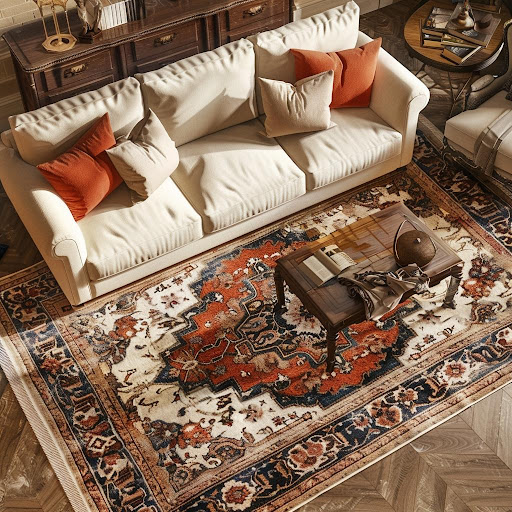
Professional area rug cleaning in Littleton, CO, provides homeowners with a precise, specialized defense against the unique environmental stressors that threaten delicate textile fibers. Unlike standard wall-to-wall carpeting, high-quality area rugs—often composed of wool, silk, or synthetic blends—require a distinct cleaning protocol that emphasizes fiber-safe moisture control, pH-neutral chemical application, and controlled atmospheric drying to prevent irreparable damage. Residents in Littleton, a city situated along the scenic South Platte River, must contend with high-altitude UV intensity, seasonal pollen saturation, and the gritty, mineral-rich dust characteristic of the Front Range. Effective rug maintenance necessitates a multi-stage, off-site, or in-plant extraction process that avoids the aggressive mechanical agitation used on durable flooring. By utilizing customized immersion tanks, specialized extraction tools, and temperature-regulated drying chambers, professional service providers ensure that organic dyes remain stable, structural foundations (warps and wefts) retain their tension, and fiber pile density remains resilient. Local homeowners prioritize this level of meticulous care to protect the aesthetic and monetary value of their investment, ensuring that artisanal rugs remain clean, hygienic, and structurally sound for generations.
Community Context & Climate
Littleton homeowners navigate a challenging climate cycle that disproportionately affects the condition of area rugs. Colorado’s semi-arid, high-altitude environment produces dry air that accelerates the degradation of natural fibers, which rely on a baseline moisture content to maintain their pliability. During the spring and early summer months, the region experiences extreme pollen counts from native cottonwoods and mountain flora, which settle into the dense pile of area rugs. These microscopic particles act as abrasive agents; when walked upon, they grind against delicate fibers, causing premature fraying and thinning.
Winter weather introduces a secondary risk factor for fine textiles: the accumulation of road salt, magnesium chloride, and de-icing compounds. While these substances are essential for road safety, they are chemically detrimental to rug foundations. When tracked indoors, these alkaline residues can bond with natural wool fibers, causing stiffening, color migration, and a “crunchy” texture that is difficult to reverse without professional intervention. Furthermore, the intense Colorado sunshine, when filtering through south-facing windows, exposes area rugs to high-intensity UV radiation. This exposure can accelerate the fading of natural vegetable dyes if the rugs are not rotated regularly and maintained with UV-shielding treatments or professional cleaning. Successful maintenance in Littleton requires a proactive strategy that accounts for these regional variables. By scheduling professional cleaning cycles that coincide with the end of the winter season and the peak of the autumn harvest, residents effectively neutralize damaging residues before they can cause permanent molecular degradation. This disciplined approach serves as the primary barrier against the inevitable wear caused by high-altitude living, ensuring that fine area rugs retain their structural integrity and aesthetic vibrancy despite the harsh local environment.
Professional Standards & The Cleaning Process
Professional cleaning operations in Littleton adhere to rigorous service protocols that prioritize textile preservation and deep-seated contaminant removal. Technicians perform a comprehensive, fiber-specific analysis of every rug before initiating any treatment, ensuring that the cleaning chemistry is perfectly matched to the fiber type, whether it is an heirloom wool antique, a high-traffic silk/viscose blend, or a durable synthetic weave.
The technical workflow for specialized area rug cleaning follows a validated, six-step methodology designed to achieve maximum soil removal while prioritizing textile preservation:
- Comprehensive Inspection: Technicians document existing wear, dye stability (via colorfastness testing), and structural vulnerabilities, such as dry rot in the foundation or compromised fringe integrity.
- Dry Particulate Removal: Industrial-grade, high-CFM (cubic feet per minute) dusters or vacuum systems utilize controlled vibration and suction to extract deeply embedded grit, sand, and pet dander from the base of the pile without damaging the knot structure.
- Specialized Pre-Treatment: pH-balanced, non-ionic surfactants are applied to the fibers to emulsify oils and contaminants, ensuring that even stubborn pet-related odors or food spills are broken down at the molecular level.
- Controlled Immersion or Extraction: Depending on the rug’s age and construction, technicians utilize either a low-moisture surface extraction or a controlled-immersion wash in specialized troughs, ensuring the cleaning agents flush contaminants through the pile without over-saturating the foundation.
- Soft-Water Rinsing: A high-volume, neutral-pH water rinse removes all traces of surfactants, ensuring that no sticky chemical residues remain that could attract future soil or irritate the fibers.
- Climate-Controlled Drying: Rugs are transferred to a drying chamber where airflow, humidity, and temperature are strictly monitored to ensure the fibers dry evenly, preventing the shrinkage or distortion common in air-dried textiles.
Professional cleaning companies prioritize the use of eco-friendly, non-toxic formulations that are safe for both human occupants and pets. The absolute removal of all cleaning solutions is the hallmark of professional excellence; by ensuring that the fibers are left chemically neutral, technicians prevent the “rapid resoiling” effect that occurs when low-quality cleaners leave a sticky residue on the textile. This level of technical precision separates professional rug sanitation from standard carpet maintenance, providing a deep-cleaned, rejuvenated foundation for any room in the home.
Localized Heritage & Proximity
Littleton functions as a vital, cultural, and commercial anchor for the surrounding neighborhoods of Lakewood, Centennial, and Highlands Ranch. This interconnected geography demands that service providers remain highly adept at handling the diverse interior design needs of both historic homes in Downtown Littleton and modern, open-concept residences in the surrounding suburbs. Proximity to the South Platte River inherently impacts local humidity levels; while Colorado is generally dry, riverside homes experience moisture fluctuations that can lead to subtle fiber expansion or contraction, necessitating the use of specialized climate-control equipment during the washing process to ensure the rug maintains its shape.
The historic charm of the Littleton Museum serves as an anchor for the region’s heritage, while the extensive, sprawling pathways of the South Platte Park provide residents with a beautiful, natural retreat. The proximity of these outdoor spaces, however, often leads to the increased tracking of mud, river-silt, and organic debris into local homes, which are then trapped in area rugs. The vibrant, bustling commercial district along West Bowles Avenue acts as the primary gateway for residents seeking high-end services, serving as the nexus for the city’s economic and residential activity. Residents in nearby Golden and Aurora often seek the high-tier maintenance standards found in Littleton, recognizing that the area holds a historic, deep-rooted concentration of textile care expertise. By servicing this wide radius, professional cleaners help maintain the aesthetic and health standards that define the suburban quality of life in Colorado. Whether a home is situated near the scenic trails of the river or in the heart of the energetic commercial center, professional cleaning ensures that the home remains a clean, healthy sanctuary that respects the history of the materials within it.
Map Narrative & Directions
Navigating to the professional service facility at 7320 S. Webster St, Littleton, CO 80128, USA, requires a straightforward, efficient route through the city’s established transit corridors. Starting from the historic Littleton Museum on W. Belleview Avenue, head west toward the busy intersection with S. Federal Boulevard. Turn left onto S. Federal Boulevard and proceed south, moving through the vibrant, diverse retail landscape that defines this portion of the city. Continue through the major intersection at W. Coal Mine Avenue, which serves as a key artery for regional transit. Turn left onto W. Coal Mine Avenue and drive east, passing the scenic community parks and open spaces that define this stretch of the city. Turn right onto S. Webster Street, moving south past the local neighborhood elementary schools and quiet residential cul-de-sacs. Continue for approximately three blocks until you arrive at the professional facility located at 7320 S. Webster St. This location is strategically placed to allow for the rapid, responsive deployment of technicians into the surrounding Highlands Ranch and Lakewood neighborhoods, ensuring that high-value area rugs from both high-traffic commercial zones and quiet residential areas receive equal priority and speed for professional, high-standard maintenance.
Technical FAQ & Conclusion
-
What is the recommended frequency for professional area rug cleaning? Experts suggest a professional extraction every 12 to 18 months, depending on household traffic and pet presence.
-
How does pH-balanced cleaning protect my rug? It maintains the natural acidity of wool fibers, preventing fiber brittleness and ensuring dye stability.
-
Can you address permanent spill damage? While professional cleaning removes most contaminants, some organic dyes require specialized spotting agents to minimize staining.
-
Is immersion cleaning safe for all area rugs? Only if performed by experts who understand the construction and dye-fixation methods of the specific rug.
-
What makes eco-friendly cleaners effective for rugs? Modern surfactants provide deep, soil-suspending power without the need for harsh, fiber-degrading chemicals.
-
How long should I wait before placing the rug back? Rugs should be fully cured in a climate-controlled environment before being returned to high-traffic areas.
-
Do you offer specialized fringe cleaning? Yes, the delicate nature of cotton or silk fringe requires a gentle, hand-cleaning process to prevent fraying.
-
How do I manage pet odors in a wool rug? Professional enzyme treatments digest organic proteins at the base of the knot without damaging the wool structure.
-
Why is professional dusting necessary before washing? It prevents the formation of abrasive “mud” inside the rug’s foundation, which is the leading cause of early rug failure.
-
Is synthetic rug cleaning different from wool? Yes, synthetic fibers require different chemical balancing and lower thermal profiles to prevent melting or fiber distortion.
Expert area rug care is a vital, high-return investment for maintaining the long-term beauty, structural value, and hygiene of a property. For residents seeking the highest standard of professional-grade, fiber-safe results, Sunny Carpet Cleaning remains a cornerstone of the community, located at 7320 S. Webster St, Littleton, CO 80128, USA.
Technical Glossary
| Term | Definition |
| Surfactants | Molecules that lower the surface tension of water, allowing for deep soil penetration. |
| Hydrophobic | The natural state of some synthetic fibers that resist water, requiring precise chemistry to clean. |
| pH-Balanced | A neutral chemical state that prevents fiber damage and ensures residue-free results. |
| Immersion Wash | A professional cleaning method where rugs are fully submerged to flush contaminants. |
| Pile | The upright, visible fibers that define the rug’s texture, density, and color. |