

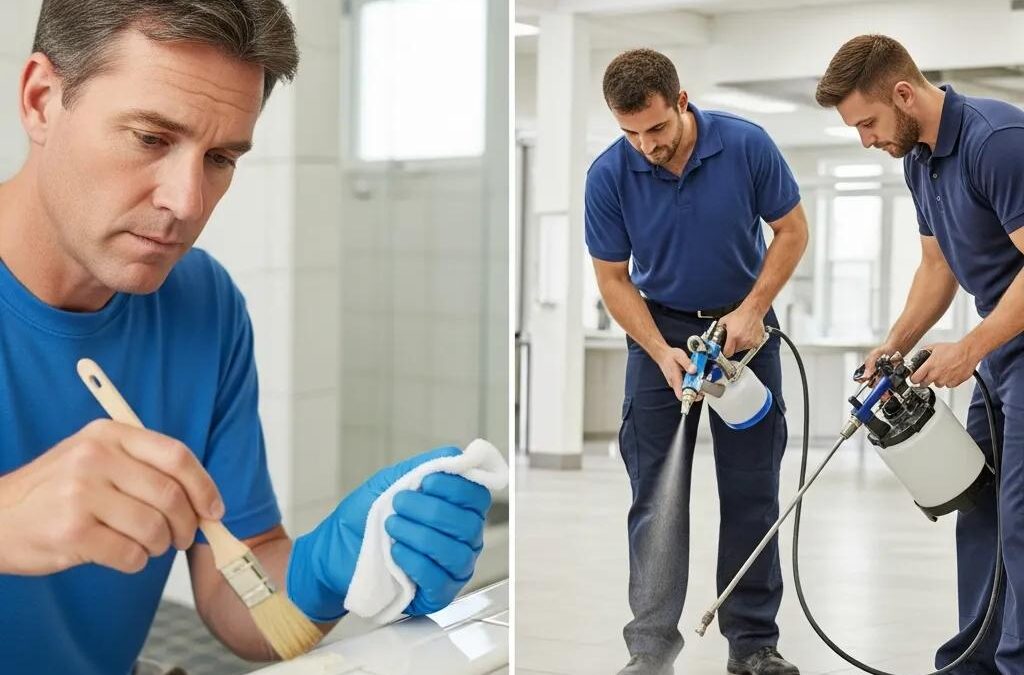
Grout sealing is one of the simplest, most effective steps you can take to protect your tile. In this guide we walk you through the why, the types of sealers, and clear step‑by‑step application tips so you can keep tiled areas looking great and lasting longer. Many homeowners skip grout care until stains, mold, or wear show up — but a little prevention goes a long way. We’ll cover when to seal, how to choose the right product, and when it makes sense to call Sunny Carpet Cleaning for our eco‑friendly cleaning and sealing services.
Why Is Grout Sealing Essential for Every Homeowner?
Grout is porous and vulnerable to moisture, dirt, and spills. Sealing grout puts a protective barrier between those elements and the grout itself, helping prevent stains, discoloration, and mold. That protection not only extends the life of your grout but also makes tiled spaces cleaner and healthier for your family.
What Are the Key Benefits of Sealing Grout?
Sealing grout delivers several practical benefits:
- Stain Prevention: Sealers keep spills from soaking into grout, so stains are far easier to wipe away.
- Mold and Mildew Protection: A sealed surface is less likely to trap moisture, reducing mold and mildew growth.
- Easier Cleaning: Sealed grout resists grime, so routine cleaning takes less time and effort.
How Does Grout Sealing Contribute to a Healthier Home Environment?
Unsealed grout can harbor bacteria, dust, and allergens. Sealing reduces those hiding spots and cuts down on moisture-related problems — which helps improve indoor air quality and creates a safer space for children and pets.
What Are the Different Types of Grout Sealers and How Do They Work?
Choosing the right sealer matters. Sealers fall into two main categories — penetrating and topical — and each serves different needs depending on traffic, moisture, and the look you want to maintain.
What Is the Difference Between Penetrating and Non-Penetrating Sealers?
| Sealer Type | Absorption Properties | Durability | Cost-Effectiveness |
|---|---|---|---|
| Penetrating Sealers | Soak into the grout | Long‑lasting protection | Higher up‑front cost, better long‑term value |
| Non-Penetrating Sealers | Form a protective surface layer | Shorter lifespan | Lower initial cost, may need frequent reapplications |
Penetrating sealers are a go‑to for long‑lasting protection because they work from within the grout. Topical (non‑penetrating) sealers sit on the surface and can give a sheen or added resistance but typically wear faster.
How Do Water-Based and Solvent-Based Sealers Compare?
| Sealer Type | Application Ease | Drying Time | Environmental Impact |
|---|---|---|---|
| Water-Based Sealers | Simple to apply | Quick drying | Lower VOCs and gentler on indoor air |
| Solvent-Based Sealers | Requires more care | Longer drying time | Higher VOCs; stronger odors |
Water‑based sealers are homeowner‑friendly — they apply easily, dry fast, and are kinder to the environment. Solvent‑based options can be very durable but come with stronger fumes and longer cure times.
How to Seal Grout: Step-by-Step Techniques Every Homeowner Should Follow
With proper prep and the right tools, sealing grout is a task most homeowners can complete in an afternoon.
What Preparation Is Needed Before Applying Grout Sealer?
Prep is the most important part. Follow these steps:
- Clean the Grout: Remove dirt, soap scum, and mildew — let the grout dry fully before sealing.
- Choose the Right Sealer: Match the sealer to your grout type and the room’s moisture level.
- Gather Tools: Have an angled brush or applicator, clean cloths, and a vacuum or broom ready.
What Are the Best Application Methods for Effective Sealing?
Pick the method that fits the area and your comfort level:
- Brush Application: Best for precise coverage in narrow grout lines and corners.
- Roller Application: Good for larger interior areas where you need even coverage quickly.
- Spray Application: Efficient for big or awkward spaces — follow with a brush or cloth to remove excess sealer from tile.
Each method works well when you follow the manufacturer’s directions and avoid applying too much sealer at once.
When Should You Seal Your Grout? Timing and Frequency Recommendations
How often you reseal depends on use and exposure. These timelines are practical guidelines.
How Often Should Grout Be Sealed in Different Areas of the Home?
Recommended frequency by area:
- High-Traffic and High-Moisture Areas: Kitchens, bathrooms, and laundry rooms — every 1–2 years.
- Low-Traffic Areas: Living rooms and hallways — every 2–3 years.
- Outdoor Areas: Exterior grout often needs sealing annually because of weather exposure.
What Signs Indicate It’s Time to Reseal Your Grout?
Look for these warning signs:
- Discoloration: Stains or faded grout color.
- Water Absorption: Water soaks in instead of beading up on the surface.
- Cracking or Chipping: Physical damage that exposes more grout to moisture.
DIY Grout Sealing vs. Professional Service: Which Option Is Right for You?
Deciding between DIY and pro service depends on your time, the job’s condition, and the results you want.
What Are the Advantages and Challenges of DIY Grout Sealing?
DIY perks:
- Cost Savings: Lower out‑of‑pocket expense if you do it yourself.
- Scheduling Flexibility: Do the job when it fits your calendar.
- Personal Satisfaction: A completed home project feels rewarding.
DIY challenges:
- Skill Required: Proper prep and application matter for good results.
- Time Investment: Larger or heavily soiled areas can be labor‑intensive.
- Consistency: Professionals often achieve a more uniform, longer‑lasting finish.
When Should You Hire a Professional Grout Sealing Service?
Consider a pro when:
- Complex Jobs: Grout is stained, damaged, or needs intensive cleaning first.
- Time Constraints: You prefer to outsource to save time and hassle.
- Quality Assurance: Companies like Sunny Carpet Cleaning use eco‑friendly products and trained technicians to ensure durable results.
What Does Grout Sealing Cost? Understanding Pricing and Value
Costs vary, but knowing what influences price helps you compare quotes fairly.
Which Factors Influence the Cost of Grout Sealing Services?
Key cost drivers:
- Size of the Area: Larger jobs take more material and time.
- Type of Sealer Used: Premium, longer‑lasting sealers cost more up front.
- Labor: Professional rates include time for cleaning, prep, and careful application.
How Does Professional Sealing Provide Long-Term Savings?
Professional work can save money over time by:
- Durability: Higher‑quality products and technique mean fewer reapplications.
- Lower Maintenance: Proper sealing reduces cleaning time and repair needs.
- Property Appeal: Well‑kept tile can help preserve or improve home value.
How to Maintain Sealed Grout for Long-Lasting Protection
Simple, regular care keeps sealers working longer and tiles looking their best.
What Cleaning Practices Help Preserve Grout Sealers?
Protect your sealer with these habits:
- Use Gentle Cleaners: Choose pH‑neutral or manufacturer‑recommended cleaners — avoid acid or bleach‑based products.
- Avoid Abrasive Tools: Soft cloths, mops, or sponges prevent wear to the sealer.
- Regular Cleaning: Quick, routine cleanups prevent buildup that can wear the sealer down.
How Can You Test the Effectiveness of Your Grout Sealer?
Try these checks:
- Water Test: Drop a few drops of water on the grout — beading means the sealer is still working.
- Visual Inspection: Watch for stains, dulling, or worn areas.
- Physical Signs: Cracks, chips, or grout breakdown signal it’s time to reseal.
Frequently Asked Questions
What Are the Common Mistakes to Avoid When Sealing Grout?
Don’t skip cleaning first — sealing over dirt traps it and reduces effectiveness. Avoid overapplying sealer (it can leave a sticky residue) and don’t seal in high humidity or before grout is fully dry. Always follow the manufacturer’s instructions for best results.
How Long Does Grout Sealing Last?
Longevity depends on sealer type and use. Penetrating sealers commonly last 3–5 years; topical sealers often need reapplying every 1–3 years. Regular cleaning and monitoring extend the sealer’s life.
Can I Use Regular Household Cleaners on Sealed Grout?
Stick with mild, pH‑neutral cleaners. Harsh chemicals like bleach or acidic cleaners can degrade the sealer over time. For stubborn grime, use a cleaner labeled safe for sealed grout or consult a pro.
Is It Necessary to Reseal Grout After Professional Cleaning?
Often yes. Deep professional cleaning can strip existing sealers, especially when strong methods are used. Resealing after a deep clean restores protection and helps prevent quick recontamination.
What Should I Do If My Grout Starts to Crack or Chip?
Address damage quickly. Clean the area, remove loose grout, and regrout the section before sealing. Large or structural issues are best handled by a professional to ensure a lasting repair.
How Can I Enhance the Appearance of My Grout After Sealing?
Grout colorants or enhancers can refresh faded grout and give a uniform look. Regular gentle cleaning and selecting the right sealer sheen also help maintain the finished appearance. Make sure any product you use is compatible with your existing sealer.
How Do I Choose the Best Grout Sealer for My Home?
Consider tile type, moisture exposure, and foot traffic. For wet rooms like bathrooms, a penetrating sealer is usually best. For lower‑moisture zones, a topical sealer can work. If you’re unsure, we’re happy to help you choose the right product.
Can Grout Sealing Prevent Mold and Mildew Growth?
Yes. By limiting moisture penetration, sealed grout makes it harder for mold and mildew to take hold — an important step toward a cleaner, healthier home.
Conclusion
Sealing and cleaning of grout is a smart, cost‑effective way to protect tile, prevent stains, and reduce mold risk. With the right sealer and proper prep, you’ll extend the life of your grout and simplify upkeep. Whether you tackle the job yourself or prefer our trained technicians and eco‑friendly products at Sunny Carpet Cleaning, a little prevention goes a long way toward keeping your home clean and comfortable. Ready to learn more or schedule service? We’re here to help.